


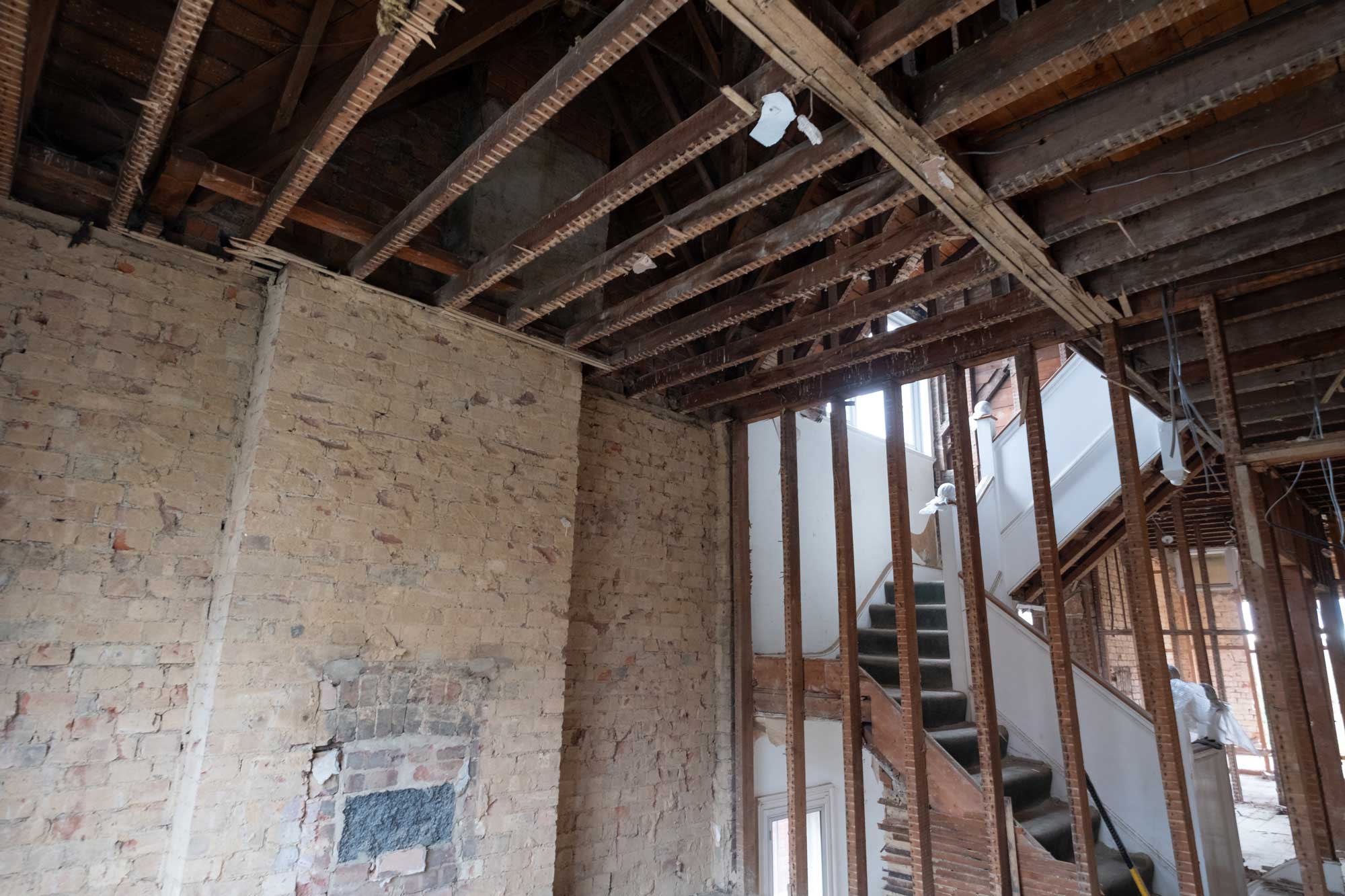
The government has confirmed that Minimum Energy Efficiency Standards will tighten to EPC Band C for all rental tenancies in England and Wales from 1 October 2030. A new methodology, the Home Energy Model, becomes compulsory for EPC assessments from 1 October 2029. For landlords, brokers and specialist lenders, the deadline is not the story. The three years leading up to it are.
The rules, briefly
- Current minimum EPC rating for a private rented property: Band E.
- New minimum: Band C, applying to all tenancies from 1 October 2030.
- New methodology, the Home Energy Model, becomes compulsory for EPCs from 1 October 2029. The focus shifts from energy used to heat retained.
- Cost cap: £10,000 per property. Government estimate of average upgrade cost: £6,100 to £6,800.
- Grandfathering: properties achieving Band C under the current methodology before 1 October 2029 stay compliant until the certificate expires.
- Scotland runs a different Heat Retention Rating system from autumn 2026, with staged deadlines through to 2033.
Why the pipeline is building now
More than half of privately rented stock in England and Wales currently sits below Band C, and a meaningful share is Band D or worse. Waiting until 2029 means competing for surveyors, contractors and finance in a compressed window, when everyone else is doing the same work at the same time. The landlords moving now are pulling forward the works they were going to do anyway, and locking in surveyor time, contractor pricing and finance while the market is still moving in a straight line.
The specialist finance picture
The finance structures that fit here are the ones Credco places every week. Heavy refurb bridging finance funds the works over 6 to 18 months and exits onto a term product once the property revalues at the new rating. Bridging-to-let takes the same idea a step further, with a pre-agreed exit route onto buy-to-let term at the higher end value. Development finance sits behind larger schemes involving fabric-first upgrades or full retrofits. And portfolio-wide refinance can release capital across multiple properties to fund upgrades in sequence, without having to tap every property individually.
What to be doing in the next twelve months
The window for a clean plan is now, not 2029. Four practical steps land the highest-return properties first and keep the widest optionality on the rest.
- EPC every property under the current methodology. The grandfathering window is real, and it gives the strongest properties a clear compliance runway.
- Split the portfolio: F and G stock, D stock, C and above. Each group has a different plan and a different finance route.
- Model the works per property, and the finance to fund them, in the same document. Cost cap, expected uplift, exit valuation, cashflow through the works.
- Bring a specialist broker in before you commit to a valuation. The lender you would use for the works is often not the lender you would use for the exit.
If you would like a portfolio review with a specialist eye on the refurb pipeline between now and 2030, get in touch.
| THE CREDCO TAKE
“The deals I am seeing right now are landlords with 8, 12, 20 properties, looking at the map and asking which ones are worth upgrading, which ones are exit candidates and which ones need a full restructure. That is not a single-lender conversation, that is a plan. The introducers we work best with come to us at the strategy stage, not the application stage. Between now and 2029 there is a runway to do this properly. After 2029 the same works cost more and take longer, because everyone else is doing them at the same time.” |








Ready to take the next step?
Let’s chat about what you’re working on and how we can help make it happen.
We'll come back quickly - usually the same day. If you would prefer to speak with us now please call 0204 628 0990.