
The Bank held at 3.75%. Three members voted to raise.
The Bank held at 3.75%, but three members voted to raise. What the split means.
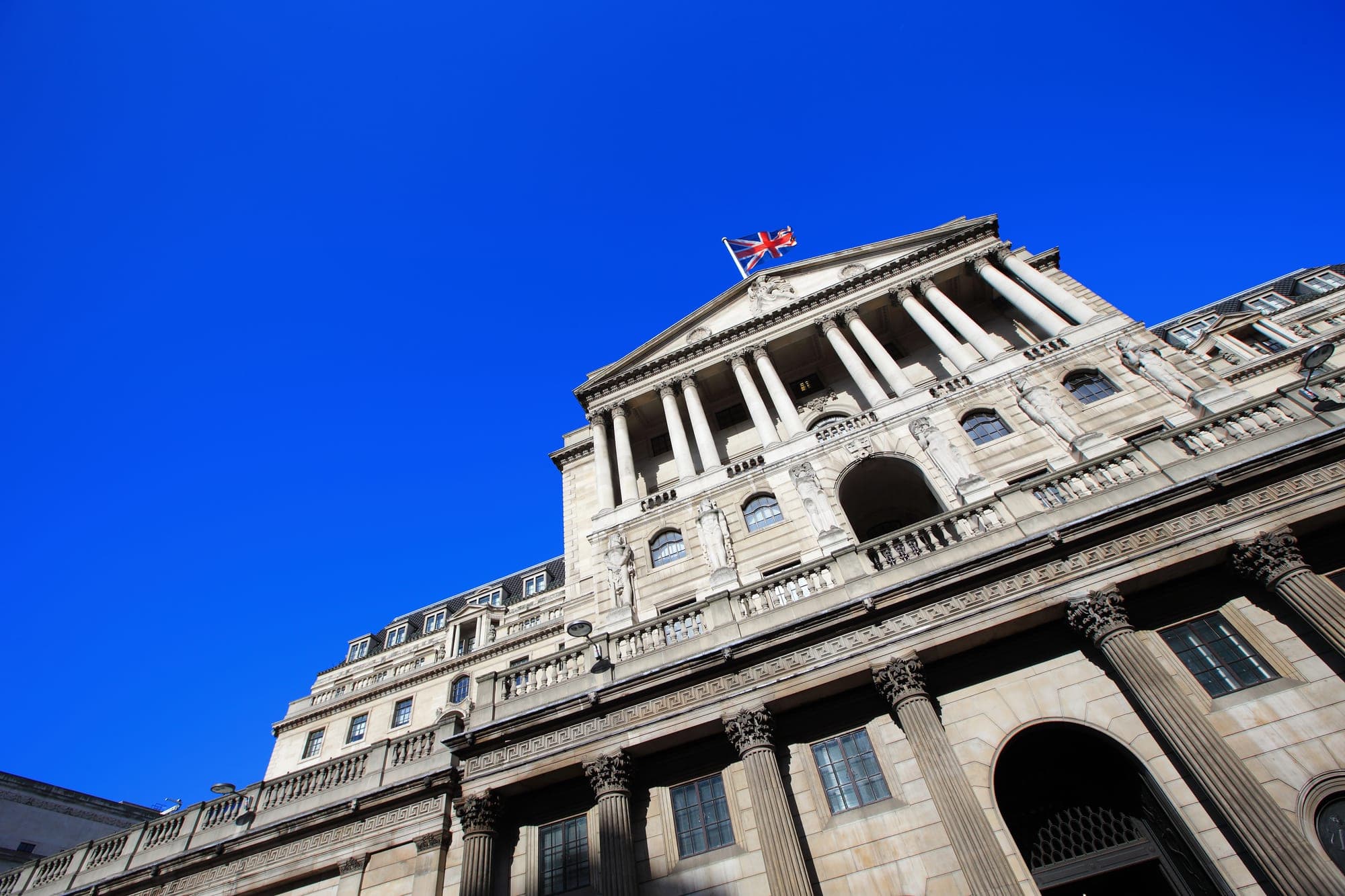
The Bank of England held the Bank Rate at 3.75% on 30 July. The headline was a hold, and most coverage stopped there. The detail underneath it is more interesting: the Monetary Policy Committee split 6-3, with three members voting to raise to 4%. Market pricing has since moved to expect rises rather than cuts, with the curve reaching around 4.2% by the second half of 2027. The next decision is 17 September.
The vote split is the story
A 6-3 hold is not the same signal as a unanimous hold. Three members of a nine-person committee arguing for a rise tells you the balance of the committee has shifted, and it takes only two of those six to move for the next decision to go the other way. Markets read the split, not just the outcome, which is why the curve repriced upward on a decision that on the surface changed nothing.
Fixed rates are not priced off the base rate
This is the part that catches borrowers out. UK fixed-rate pricing is set against swap rates, which move on expectations of where rates are heading rather than on where they currently sit. Lenders reprice when the swap curve moves, not when the Bank announces. That is why a mortgage rate can rise in a month where the base rate did not move at all, and why waiting for a decision before acting is usually the wrong sequence. As of early August, the average two-year fix sits at 5.62% and the five-year at 5.61%, with the standard variable rate just under 7.35%.
Specialist lending moves on something else again
Short-term and specialist lending is a step further removed. Pricing for bridging and development finance is driven by the lender’s cost of funds, current appetite, position against their quarterly lending targets, and how the individual case is structured. Two borrowers can approach the same lender in the same week with the same loan-to-value and receive materially different terms, because one file answers the credit questions before they are asked and the other does not. The base rate is a background condition, not the price.
What to do before 17 September
The practical advice is the same whichever way the September decision goes. If you have a facility maturing in the next six months, start the conversation now rather than at the point of expiry, because a refinance arranged under time pressure is a refinance arranged on the lender’s terms. If you are weighing a purchase, get indicative terms in writing so that a repricing between offer and completion does not change your maths. And if you are sitting on a first charge at a rate you would not get today, look at whether a second charge raises what you need without disturbing it. Across buy-to-let and the wider specialist book, the borrowers who come out of a repricing cycle well are the ones who moved before it was forced. Get in touch if you want to talk through timing.